
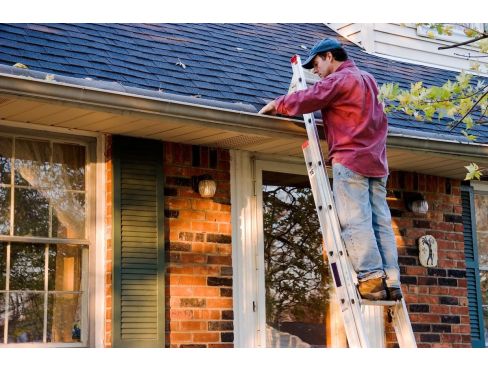
‘Every 11 minutes in the UK, someone attends A&E after sustaining an injury involving a ladder.’ – The Ladder Association
This statistic might seem outlandish, but ladder related injuries are amongst the most common in construction and maintenance work. Most accidents occur during routine work and are caused by complacency; it is common for people who use ladders on a daily basis to feel overconfident and reach just a little too far, position it incorrectly or rush through a task. But ladder safety should be taken seriously every single time you step onto a rung.
For that reason, TopTower have listed the most common ladder mistakes and how you can actively avoid them.
Common ladder injuries and their causes
When ladder accidents occur, the resulting injuries can range from minor to severe, depending on the height, environment, and nature of the fall. Understanding the types of injuries commonly associated with ladder misuse helps reinforce why safe practices are essential, and why you should do everything you can to avoid complacency when using a ladder, even if you are highly experienced.
Typical injuries include:
Fractures often affecting wrists, arms, ankles, or legs
Head injuries
Back and spinal injuries
Soft tissue injuries including sprains, strains, and bruising from slips or missteps
Common ladder mistakes
Incorrect setup and unsecured ladders
A large proportion of ladder accidents begin before anyone has even started climbing. If a ladder is set at the wrong angle, placed on an unstable surface, or not properly secured, the risk of slipping or shifting increases significantly.
This often occurs in rushed environments where a job needs to be completed swiftly, but taking a few extra moments to make sure your ladder is secure, or asking someone to assist you and hold the ladder just in case can make a huge difference.
Typical issues include:
Ladders positioned at an angle that is too steep or shallow
Bases placed on uneven, soft, or slippery ground
Lack of securing at the top or bottom where required
How to avoid it:
Position the ladder at the correct angle (approximately 75 degrees)
Ensure the base is firm, level, and free from debris
Secure the ladder where possible, especially for longer tasks
Recheck stability before climbing
Ask a colleague to hold the ladder still
Use a step ladder for more stability
Overreaching
One of the most common causes of ladder related incidents is also one of the easiest to overlook: reaching too far to one side.
It usually starts with something small. You’re nearly finished, the tool or fixing is just out of reach, and rather than climbing down and repositioning, you stretch a little further than you should. That shift in balance causes a topple that can lead to serious injuries.
When your centre of gravity moves outside the ladder’s footprint, stability is lost, and that’s when slips and falls happen.
How to avoid it:
Keep your belt buckle (or torso) within the ladder’s side rails
Reposition the ladder instead of stretching
Plan your work area so everything is within comfortable reach
Take a few extra seconds, it’s always quicker than dealing with a fall
Using the wrong ladder for the job
Not all ladders are designed for the same tasks, but in practice, people often make do with what’s available.
Using a ladder that’s too short, too lightweight, or not suited to the environment can create unnecessary risk. For example, standing on the top rung to gain extra height or using a domestic ladder on an industrial site are both common, and avoidable, mistakes that could easily lead to a fall.
How to find the right working platform:
Choose a ladder that allows you to work without standing on the top steps
Check load ratings and ensure they match the job
Consider whether a scaffold tower or platform would be more suitable for longer tasks
Neglecting surrounding conditions
The surface on which a ladder is placed has a direct impact on its stability. Variations in ground conditions can significantly increase the likelihood of movement or loss of footing.
This applies to both indoor and outdoor environments.
Potential hazards include:
Wet, oily, or dusty flooring
Loose or uneven outdoor surfaces
Areas with frequent foot traffic or obstructions
It is important to assess not only the appearance of the surface, but how it will behave under load. A thorough assessment of the immediate surroundings is essential for safe ladder use.
Having busy hands
Ladders are designed to be used with controlled movement and steady contact. As soon as tools or materials are introduced into the process of climbing, that balance changes. Carrying items in your hands reduces grip and makes it harder to recover from small slips or missteps. It also increases fatigue, particularly on repeated climbs.
In practice, safer approaches can include:
Keeping both hands free while climbing
Using tool belts or securing storage where possible
Lifting or passing materials up separately once positioned
Using a scaffolding platform instead of a ladder
Equipment condition and maintenance
While less frequent than user related factors, ladder condition can still contribute to accidents. Wear and tear over time can affect safety, particularly if regular inspections are not carried out.
Common issues include worn or damaged ladder feet, loose rungs, loose fittings, and structural damage to the frame.
These issues are often gradual and may not be immediately apparent without routine checks.
Good practice involves:
Inspecting ladders before each use
Removing damaged equipment from service promptly
Storing ladders in suitable conditions to prevent deterioration
Being under time pressure
Time sensitive tasks are where a great quantity of mistakes happen when climbing or handling ladders. When you rush the set up, hurry across a shop floor or warehouse without checking your surroundings, don’t deem yourself to have enough time to move the ladder to a more sensible location, carry more items up the ladder than is sensible, or are working in an understaffed environment, it is so easy to make mistakes. Even rushing climbing can be dangerous because one wrong placement of your foot could cause a sprain or a fall.
Working under time constraints is not always under your control, but there are things you can do to make sure you are still remaining careful whilst completing a job quickly:
Check your surroundings before carrying a ladder through a busy environment
Make sure the ladder is positioned correctly before climbing
Plan the work beforehand so you have an efficient plan
Climb the ladder calmly
Allow sufficient time for the task to be completed
Consider having multiple people completing the task
Incorporate preparation into corporate procedure
Recognise when a ladder is not appropriate
There are situations where a ladder can be used, but it may not be the most suitable option. Tasks that involve extended durations, repeated access, or the need for both hands can exceed the practical limits of ladder use.
In such cases, alternative access equipment may provide a safer and more efficient solution.
Ladder vs scaffold tower
Ladders remain a practical solution for short duration, low risk tasks. However, they are not designed for every situation.
Understanding when to use a ladder, and when to opt for a more stable alternative, is an important part of working safely at height.
Ladders
Portability: Lightweight and easy to transport.
Setup: Quick to set up for short duration tasks.
Access: Provides access to elevated areas but with limited workspace.
Stability: Less stable, especially on uneven ground.
Capacity: Supports only one person at a time.
Scaffolding
Stability: Scaffolding provides a stable platform, reducing the risk of falls.
Space: Offers a spacious working area.
Duration: Ideal for tasks that require extended periods at height.
Capacity: Can support multiple workers and heavy materials simultaneously.
Safety Features: Often equipped with guardrails, toeboards, and anti slip surfaces.
If you’re searching for height access equipment that puts safety at the heart of every design feature, TopTower has a wide range of ladders and steps that are suited to professional use. We also offer a range of scaffold towers, plus plenty of handy ladder accessories, making it easy to find the right access equipment for you and your business.


